


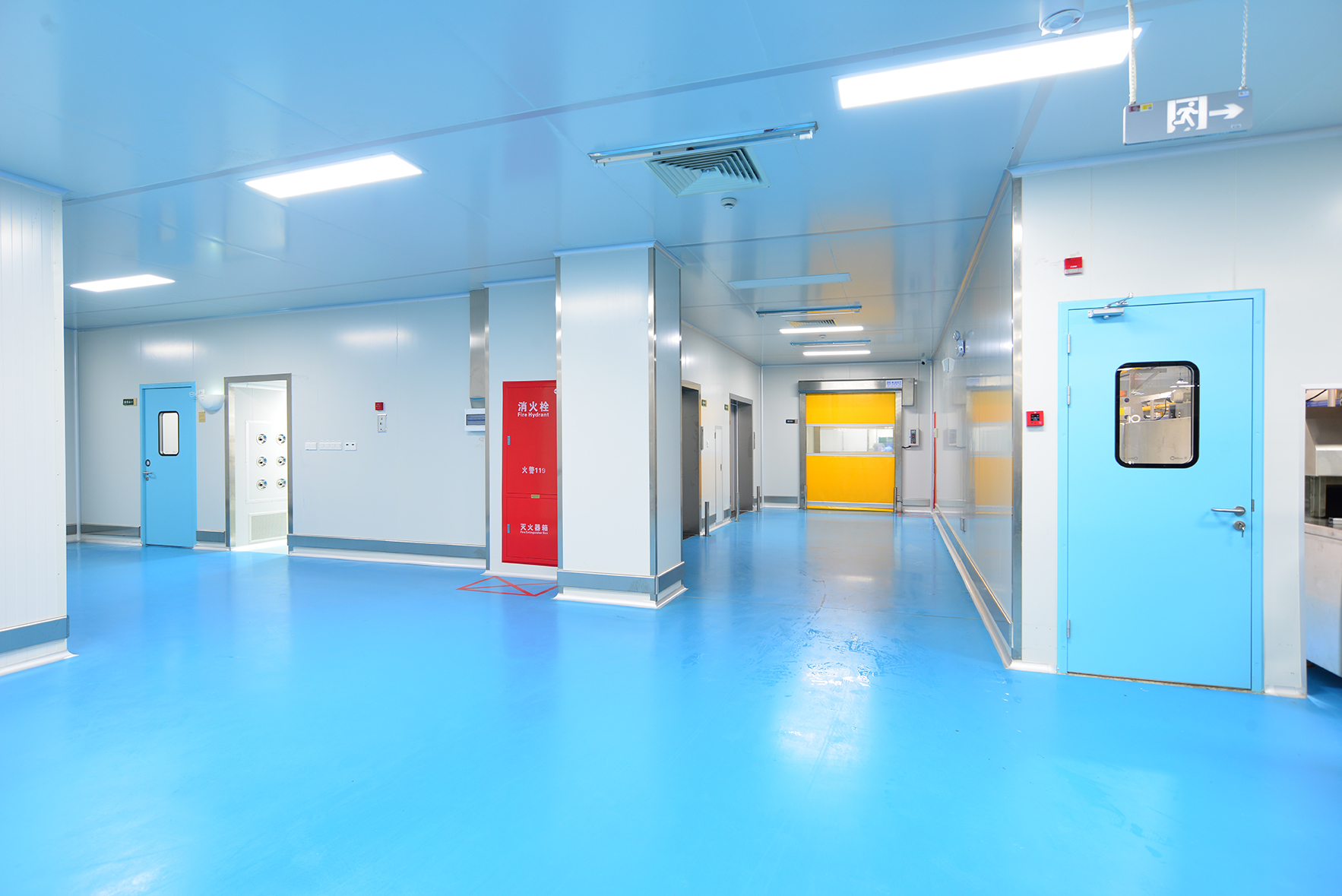
In the food processing industry, maintaining product safety and quality is paramount. Contaminants such as dust, microorganisms, and airborne particles can compromise food safety, reduce shelf life, and damage brand reputation. A well-designed cleanroom provides a controlled environment that minimizes contamination risks and ensures compliance with strict hygiene standards.
Key Considerations for Food Processing Cleanrooms
Cleanroom Classification and Standards
Determine the required cleanroom classification based on product type and regulatory standards (e.g., ISO 14644, FDA).
Food-grade cleanrooms typically require ISO Class 7 or Class 8, with controlled particle counts and airflow patterns.
Airflow and Filtration Systems
Implement High-Efficiency Particulate Air (HEPA) filters to remove airborne particles.
Use laminar airflow design to prevent cross-contamination between processing zones.
Maintain positive pressure to avoid unfiltered air entering critical areas.
Material Selection
Walls, ceilings, and floors should use smooth, non-porous, and easily cleanable materials such as stainless steel or specialized panels.
Doors, windows, and pass-throughs must be designed to minimize particle generation and facilitate hygiene maintenance.
Temperature and Humidity Control
Consistent temperature and humidity levels reduce microbial growth and maintain product quality.
Install sensors and automated monitoring systems for real-time control.
Zoning and Workflow Optimization
Design the layout to separate raw material handling, processing, and packaging areas.
Implement personnel and material flow control to minimize contamination risk.
Cleaning and Maintenance Protocols
Develop standard operating procedures (SOPs) for daily cleaning, equipment sterilization, and periodic maintenance.
Choose materials and equipment that withstand frequent cleaning and disinfectants.
Benefits of a High-Efficiency Cleanroom
Improved product safety and compliance with regulatory standards.
Reduced risk of contamination and recalls.
Enhanced operational efficiency and staff productivity.
Long-term cost savings through reduced waste and downtime.
Conclusion
Building a high-efficiency cleanroom for a food processing facility requires careful planning, appropriate material selection, precise airflow and filtration systems, and stringent operational protocols. Partnering with an experienced cleanroom solutions provider ensures that your facility meets hygiene standards while optimizing production efficiency.
Post time: Mar-13-2026
 Home
Home Products
 Contact Us
 News
News